
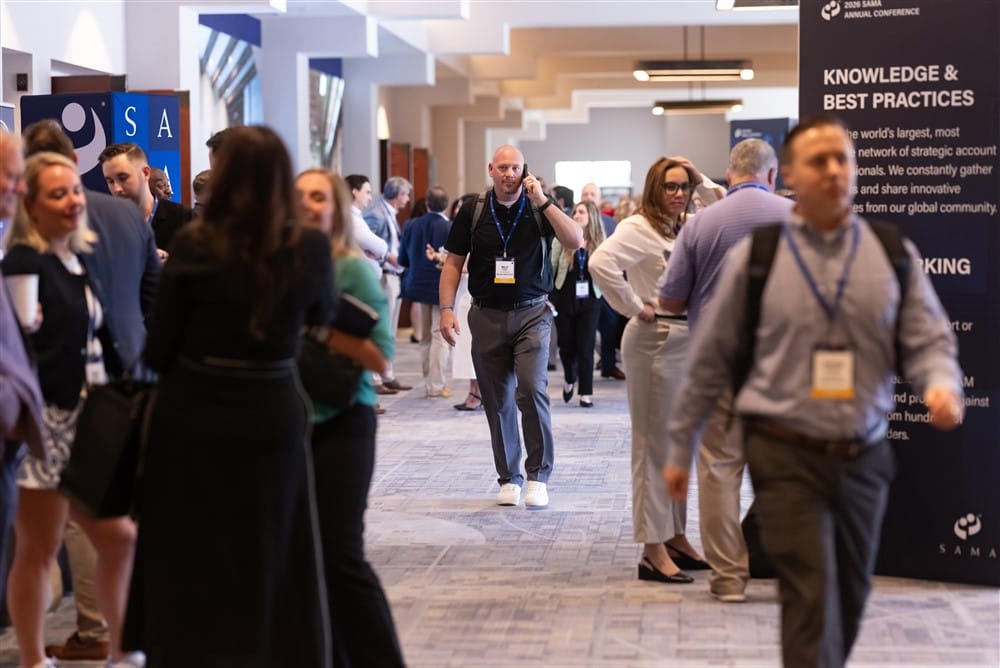
What did strategic account management leaders learn at the 2026 SAMA Annual Conference? From proving business impact with data to leveraging AI, strengthening cross-functional alignment, and driving value co-creation, five themes emerged as defining priorities for the future of SAM. Explore the key insights and takeaways shaping the next generation of strategic account management.

Traditional advisory boards are no longer enough. Learn how continuous engagement and a spoke-and-wheel advisory pod model drive compliance, accelerate insight, and create strategic value in life sciences.
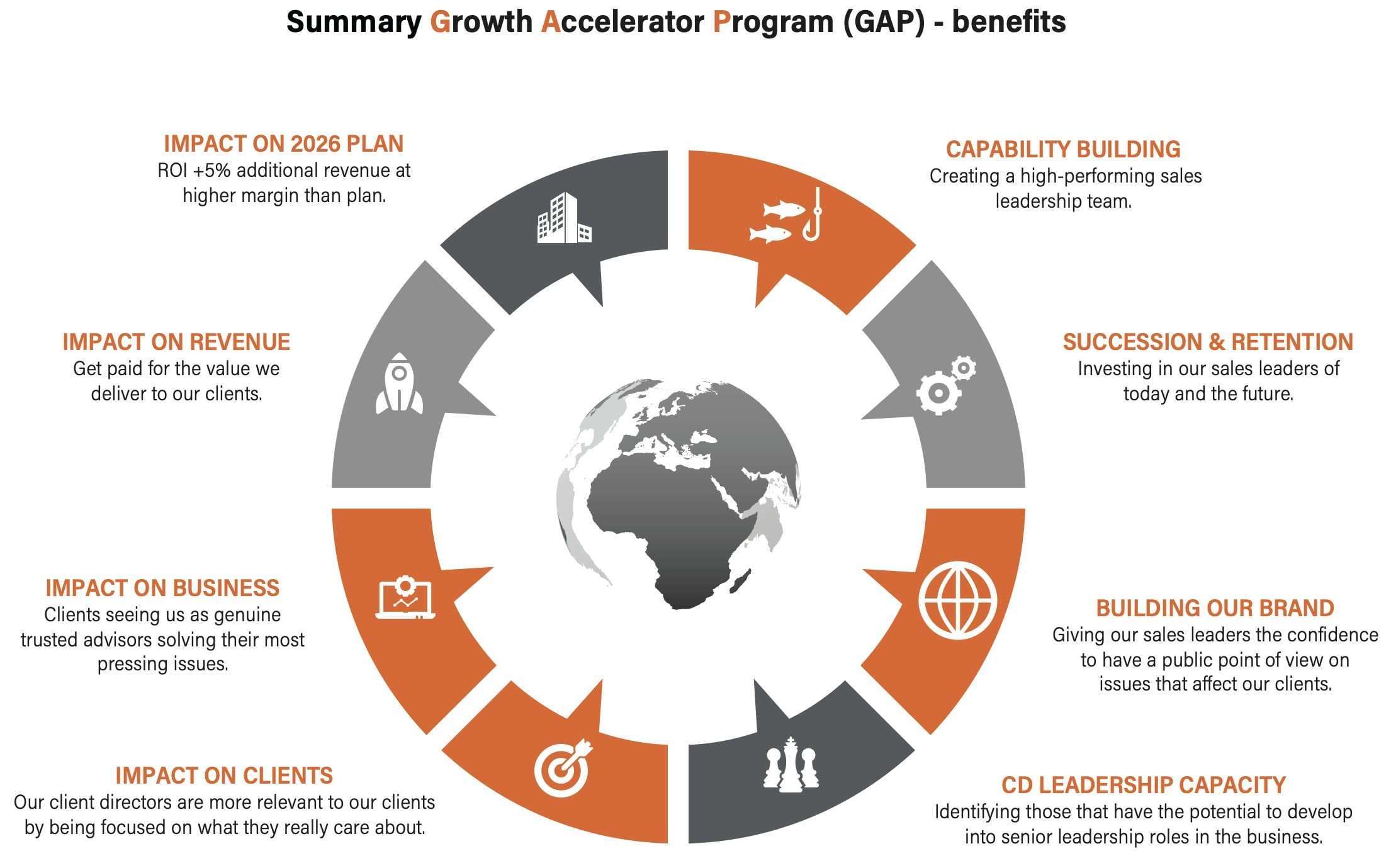
Lessons from Arcadis on building consistent, insight-led client engagement.

AI-driven sales training can create confident reps without improving real performance. Learn why “AI sales hallucinations” may be holding your team back — and how to fix it.

Curious about what sets award-winning SAM programs apart? Get a preview of the 2026 SAMA Excellence Awards categories, read inspiring insights from recent winners, and learn how to submit your program’s achievements.

SAMA’s 2025 Pan-European Conference revealed how strategic account management is redefining growth in an era of AI, complexity, and collaboration. From trust-based leadership to ecosystem innovation, discover the insights and case studies shaping the next generation of SAM excellence.
What makes SAMA’s Pan-European Conference a must-attend event? Past participants say it’s the unparalleled global perspective, the cross-industry insights, and the chance to engage in meaningful conversations that inspire action. Read what attendees shared about their experience at last year’s conference — and see why PEC 2025 is the place to be.